

Hey there! I'm a supplier of metal mesh, and today I wanna talk about how the moisture resistance of metal mesh influences its price. Moisture can be a real pain in the neck for metal products. It can cause corrosion, rust, and all sorts of damage that shortens the lifespan of the mesh. So, it's no wonder that moisture resistance is a huge factor when it comes to pricing metal mesh.
First off, let's understand why moisture resistance matters so much. When metal mesh is exposed to moisture, especially in humid or wet environments like coastal areas, industrial sites with high humidity, or even in some indoor settings with poor ventilation, it starts to react with the oxygen in the air and the water molecules. This reaction leads to oxidation, which is basically rust. Rust weakens the structure of the metal mesh, making it less durable and more likely to break or fail.
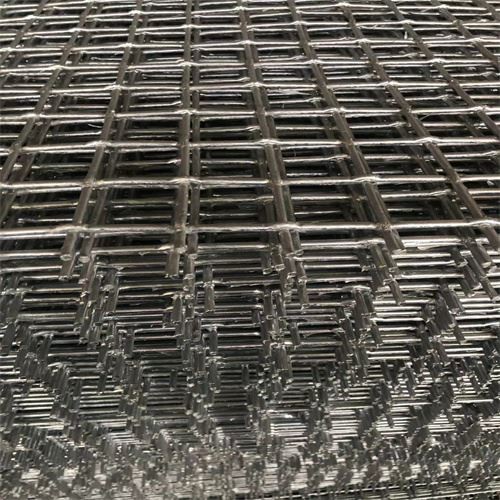

For instance, if you're using metal mesh for a fence in a coastal area, the constant exposure to saltwater and high humidity will accelerate the rusting process. Without proper moisture resistance, the fence won't last long, and you'll have to replace it frequently. That's why customers are willing to pay more for metal mesh that can withstand moisture.
Now, let's dig into how different levels of moisture resistance affect the price. There are various ways to enhance the moisture resistance of metal mesh, and each method comes with its own cost.
One common method is galvanization. Galvanized metal mesh is coated with a layer of zinc, which acts as a sacrificial anode. This means that the zinc corrodes first, protecting the underlying metal from rust. Galvanized mesh is widely used because it offers a good balance between cost and moisture resistance. The Galvanized Anti-corrosion Welding Mesh we offer is a great example. The process of galvanization adds to the production cost, but it significantly extends the lifespan of the mesh, especially in moderately wet environments. So, you'll notice that galvanized mesh is generally more expensive than non - galvanized mesh.
Another option is using stainless steel. Stainless steel contains chromium, which forms a passive oxide layer on the surface of the metal. This layer is highly resistant to corrosion and provides excellent moisture resistance, even in harsh environments. However, stainless steel is more expensive than regular steel due to the cost of the alloying elements and the more complex manufacturing process. Metal mesh made from stainless steel can be quite pricey, but it's worth it for applications where long - term durability in wet conditions is crucial.
There are also specialized coatings and treatments that can be applied to metal mesh to improve its moisture resistance. These coatings can be made from polymers, ceramics, or other advanced materials. They create a barrier between the metal and the moisture, preventing corrosion. However, the cost of these coatings can be high, especially if they are custom - formulated for specific applications. For example, some high - performance coatings may require special equipment and expertise to apply, which adds to the overall cost.
The design and construction of the metal mesh also play a role in its moisture resistance and price. For example, a well - welded mesh with tight joints is less likely to allow moisture to penetrate and cause corrosion. The Steel Bar Welded Mesh we supply is carefully welded to ensure high structural integrity and better moisture resistance. On the other hand, a mesh with loose or poorly made joints will be more prone to rust, and it may not be as valuable in the market, even if it has the same base material.
The shape of the mesh can also impact its moisture - holding capacity. A Diamond Mesh has a unique shape that allows for better drainage of water compared to some other mesh designs. This means that it's less likely to trap moisture, reducing the risk of corrosion. As a result, diamond mesh may be priced higher than other mesh shapes due to its better moisture - management properties.
In addition to the manufacturing and design factors, market demand also influences the price of moisture - resistant metal mesh. If there's a high demand for metal mesh in wet environments, such as in the construction of water treatment plants or marine structures, the price of moisture - resistant mesh will tend to go up. On the other hand, if the demand is low, suppliers may offer more competitive prices to attract customers.
As a supplier, I always try to offer the best value for my customers. I understand that they need a product that can perform well in their specific environments without breaking the bank. That's why I have a wide range of metal mesh options with different levels of moisture resistance and prices. Whether you need a budget - friendly galvanized mesh for a small project or a high - end stainless - steel mesh for a large - scale industrial application, I've got you covered.
If you're in the market for metal mesh and are concerned about moisture resistance, don't hesitate to reach out. I can help you choose the right product based on your needs and budget. Whether it's for a short - term project or a long - term investment, I'll work with you to find the perfect solution. You can contact me to discuss your requirements, and we can start a negotiation on the price. I'm confident that we can come to an agreement that works for both of us.
So, if you're looking for high - quality metal mesh at a reasonable price, get in touch. Let's work together to find the best metal mesh for your project, taking into account its moisture - resistance needs. I'm here to make sure you get the most out of your investment.
References
- "Corrosion of Metals: Principles, Prevention, and Protection" by John W. Lyons
- "Metal Mesh Handbook: Design, Applications, and Performance" by various industry experts